Maintenance plans that centre filters, intervals, and records
A useful septic maintenance plan is not a subscription for bottles of additive. It is a calendar for pumping, a cadence for cleaning the outlet filter, and a file of receipts that travel with the house. Nova Scotia Environment’s Homeowner’s Guide puts periodic pumping and assessments at the centre of system life. This page turns those habits into a practical program for HRM homeowners, landlords, and cottage owners.
The real rules (without the myths)
Do not flush wipes, diapers, or trash. Keep grease out of the kitchen drain. Do not drive or park on the tank or weeping bed. Fix running toilets. Spread laundry across the week. Divert roof and upslope water off the field. Ordinary toilet paper is usually fine; “septic-safe” marketing matters less than keeping solids and chemicals out. Garbage disposals accelerate sludge — scrape to compost or trash instead.

Outlet filters: cheap insurance for the field
An effluent filter on the outlet baffle catches solids before they reach the disposal field. Clean it commonly every six to twelve months, rinsing solids back into the inlet side of the tank. Heavy households may need more frequent cleans. A neglected filter can cause backups that look like field failure.

Risers for Nova Scotia winters
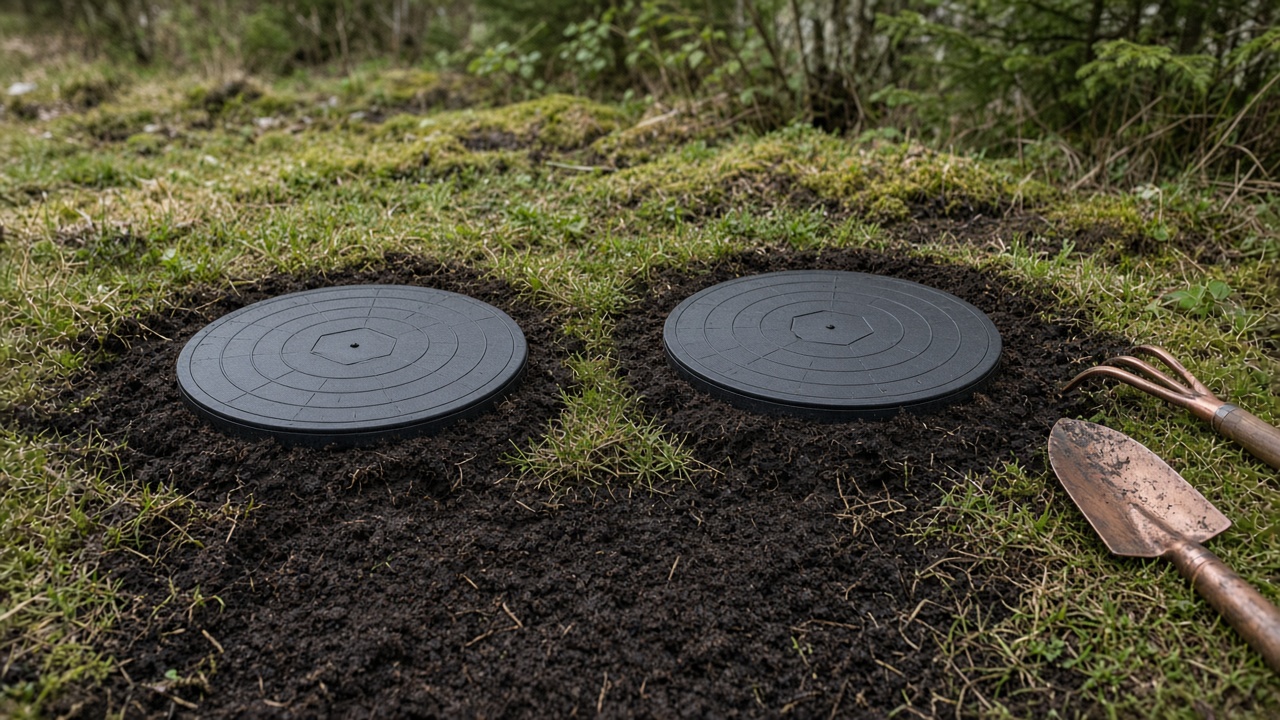
Risers to grade save dig fees and make emergency access realistic when the ground is frozen. Competitors across HRM market risers as a one-time upgrade that pays for itself the first time you need an urgent pump-out in February. Pair risers with a locking lid for safety.
What a plan should include
- Reminders tied to your household’s pump interval
- Scheduled filter service
- Documented receipts and notes for sale time
- Clear guidance on what not to flush for tenants
- Optional riser or filter install quotes
A plan that only ships monthly powders is weak. NSE says additives are unnecessary; pumping is the reliable maintenance.
Rentals and multi-tenant homes
Landlords need written rules, scheduled pumping, and a named contact for backups. Tenants who have never lived on septic often flush wipes without knowing the cost. Put habits in the lease package and keep pump records with the property file.
Call (902) 999-9999 to discuss a maintenance rhythm for your tank.
Building a household septic calendar
Put three dates on the wall: last pump-out, next filter clean, and next full pump window. Adjust the pump window after each visit based on measured sludge, not a generic brochure. Pair the calendar with a folder — paper or digital — that holds receipts, inspection notes, and as-builts. When you sell, that folder becomes a negotiating asset.
Phone reminders and SMS nudges only help if someone owns the property file. For rentals, that someone is the landlord or property manager, not the tenant who just moved from a Halifax peninsula apartment on municipal sewer.
Teaching tenants and guests
People new to septic flush wipes, pour grease, and run six laundry loads on Sunday because nobody told them otherwise. A one-page house rule sheet near the laundry prevents expensive education. Cover wipes, grease, garbage disposals, and what to do if drains gurgle. Make the emergency phone number obvious.
Short-term rentals need the same sheet laminated. Occupancy spikes fill tanks faster — shorten pump intervals when bookings surge.
Water use and field longevity
Fields fail when solids arrive or when hydraulics never rest. Spreading showers and laundry gives soil time to breathe. Fixing a running toilet can matter more than buying a special cleaner. Diverting eavestroughs away from the bed keeps stormwater from competing with effluent. Grass cover belongs on the field; trees and parking pads do not.
After heavy rain, ease indoor water use if you already know the lot stays wet. That habit costs nothing and buys years.
What to expect from a maintenance visit
A filter visit can be quick: pull, rinse, reseat, note condition. A pump visit is longer and should include the full empty and a quick baffle look. A plan that combines both on a predictable cadence reduces emergency calls. Ask what happens if the technician sees field backflow — referral, camera, or return visit.
Treat this page as the habit checklist you can start alone: calendar, filter, records, and risers when ready.
Linking maintenance to inspections and emergencies
Maintenance is how you avoid emergency pages. Inspections are how buyers verify you did the work. Pumping is the recurring heavy lift. The three services share one goal: keep solids in the tank and effluent moving safely into soil that can still accept it. When that chain breaks, costs jump from hundreds to tens of thousands. The boring calendar wins.
Cottage and seasonal property cadence
Seasonal HRM and Eastern Shore cottages often sit unused for months, then host crowds in July. Pump before peak season if the tank was not emptied the previous fall. Holding tanks need a stricter empty schedule because they do not discharge to a field. Know which system you have before you invent a calendar.
Winterize water lines without forgetting that a full tank going into freeze-up is a spring problem waiting to happen. Shoulder-season pumping is your friend.
Measuring success without gadgets
Success looks like uneventful drains, a field that is not soggy in dry weather, filters that are not packed solid every month, and a pump interval that matches measured sludge. Failure looks like recurring emergencies, lush wet strips, and missing paperwork. You do not need a laboratory to see which story you are living.
When to upgrade components
Risers, filters, and pump alarms are upgrades that reduce drama. Full field replacement is a different budget. Maintenance plans should push you toward the first category early and tell you honestly when you have crossed into the second. That honesty is the product.
Sample year on a four-person HRM home
Spring: check the field after thaw, clean the filter, confirm downspouts still discharge away from the bed. Mid-year: brief visual check after heavy rain. Fall: pump if the interval is due, or schedule for next spring if sludge measurements allow; clean the filter again; consider risers before winter if lids are still buried. Winter: protect access to lids, avoid parking on the field, and keep the emergency number visible.
Your year will differ. The point is rhythm. Systems fail in silence when nobody owns the rhythm.
Additives, enzymes, and why we de-centre them
Store shelves sell monthly packets that promise to replace pumping. Nova Scotia Environment’s homeowner guidance says additives are unnecessary and that periodic pumping is the reliable path. Some products can harm fields. A maintenance plan that leans on packets instead of empties is selling comfort, not protection. We centre mechanical removal of solids and filter hygiene.
Insurance, lenders, and paperwork
Lenders and insurers sometimes ask about septic condition during refinancing or claims. A tidy receipt history answers faster than a shrug. Keep digital copies. If a claim involves backup damage, documentation of maintenance can matter. Read your policy for sewage backup endorsements — many standard policies limit coverage.
How to start this week without a formal plan tier
Find the lids. Photograph them. Write the last pump date on a sticky note. Buy a filter brush if you have a filter and learn the rinse routine. Call to book the next pump-out if you are past three years. Formal plan pricing can wait until this brand publishes tiers; the habits cannot wait.
Why maintenance pages deserve as many words as pumping pages
Pumping is the verb people search. Maintenance is the habit that makes pumping boring. Fields fail slowly when calendars fail. Landlords learn this after tenant turnover. Cottage owners learn it after a long weekend. A long maintenance page is not filler — it is the operating manual your future self needs when the truck is not in the driveway.
Start the checklist this week. Book the overdue empty. Clean the filter. Photograph the lids. The plan tiers can catch up later.
Keeping language local to Halifax Regional Municipality
Searchers type Halifax, HRM, Sackville, Fall River, Hammonds Plains, and Eastern Shore. The systems under those searches share Nova Scotia rules but differ in access, soils, and truck time. Good service pages name those places without thin doorway spam. If your community is on septic and inside the verified service area, say so when you call (902) 999-9999. If it is not, an honest decline beats a false yes.
Canadian spelling stays consistent: odour, favour, metre when technical documents use it, and weeping bed or disposal field for local familiarity. The goal is a page a neighbour could have written after reading the provincial guide — specific, calm, and useful before the truck arrives.
Keep this page bookmarked with your pump receipts. When the next wet week arrives, you will already know whether to cut laundry, clean a filter, or call for a truck — and you will know which details to give so the first visit counts.
Nova Scotia’s homeowner guidance and on-site regulations exist so ordinary people can keep systems safe without becoming engineers. Use them. Use certified cleaners. Use calendars. The expensive lesson is always the same: solids belong in the tank until a truck removes them, and fields fail when that rule is ignored for years.
Frequently asked questions
What are the real rules for living on septic?
Do not flush trash; keep grease out; do not drive on the field; fix leaks; pump on a schedule — most myths are secondary.
How often should I clean the outlet filter?
Common guidance is every 6 to 12 months, rinsing solids back into the inlet side of the tank. Heavy use may need more frequent cleans.
Should I install risers?
Risers to grade save dig fees and speed emergency access — especially in Nova Scotia winters.
Is a garbage disposal OK on septic?
Strongly discouraged; food solids accelerate sludge and filter clogs. Scrape to compost or trash instead.
Do I need special septic-safe toilet paper?
Regulators and practitioners often say ordinary toilet paper is fine; the hard rules are no wipes and timely pumping.
How should rental or multi-tenant properties handle septic?
Written rules for tenants (no wipes or grease), scheduled pumping and inspections, and clear who calls for backups.
What maintenance records matter when I sell?
Pump receipts, inspection notes, and installation certificates support buyer confidence.
Can I drive or park on the weeping bed?
No — compaction and crushed components shorten system life.
Should I divert roof drains away from the field?
Yes — keep roof and upslope runoff off the disposal field so it is not hydraulically overloaded.
Are maintenance plans worth it vs calling every few years?
Plans help if they include reminders, filter service, and documented pump intervals. A plan that only sells additives is weak. Ask about plan inclusions and pricing when you call.