Septic inspections for purchases, sales, and peace of mind
A septic inspection answers whether the tank, baffles, filter, and field show trouble before you buy, sell, or renovate. In Halifax Regional Municipality, many lots still rely on on-site sewage even as denser neighbourhoods sit on municipal sewer a few kilometres away. Buyers who skip a serious look risk a field replacement measured in tens of thousands. This page explains inspection tiers, why camera-only scopes can miss tank problems, what records Nova Scotia homeowners should keep, and how to compare quotes.
Buyer-paid inspections beat seller-only reports
Hire your own inspector or certified cleaner. A seller-paid report is not obligated to prioritize the buyer’s interests. Common practice has the buyer paying for due diligence while the seller may negotiate repairs. Confirm contract language with your realtor and lawyer — norms vary, but the principle of an independent look does not.

Camera vs open-tank scopes
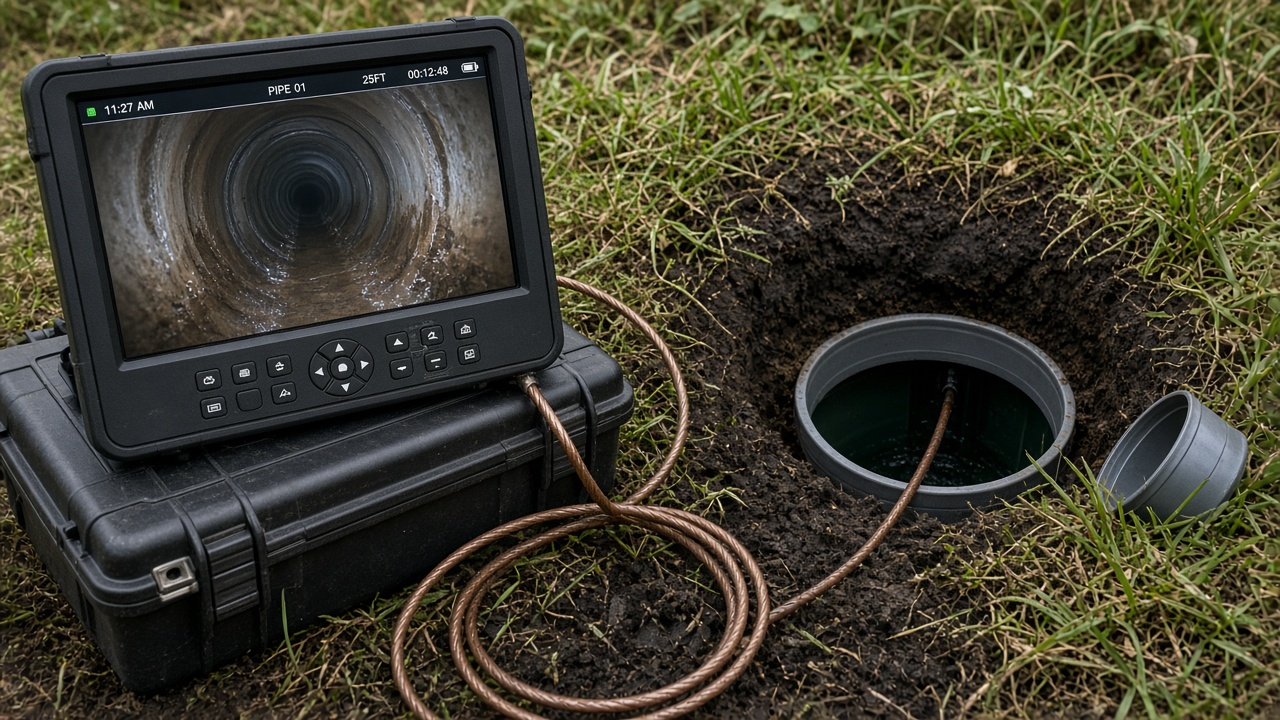
Cameras help when you need a non-invasive look at lines or laterals. They do not replace opening the tank to see baffle condition, sludge and scum levels, and structural cracks. Many professionals say a full evaluation is compromised if the tank is not emptied so interiors can be seen. Dye tests alone can miss problems in dry weather. Match scope to risk: a thorough sale inspection often includes lid exposure, visual checks, pumping, and field observation, with camera work when symptoms or budget justify it.
What a thorough inspection should cover
- Tank level and evidence of surcharging
- Inlet and outlet baffles or tees
- Effluent filter presence and condition
- House-to-tank line concerns
- Distribution box access when warranted
- Drainfield ponding, odours, and lush wet strips
Digging lids for a sale inspection is common. Digging every lateral as a first step is not. Escalate excavation when the initial look shows trouble.
Records that matter in Nova Scotia
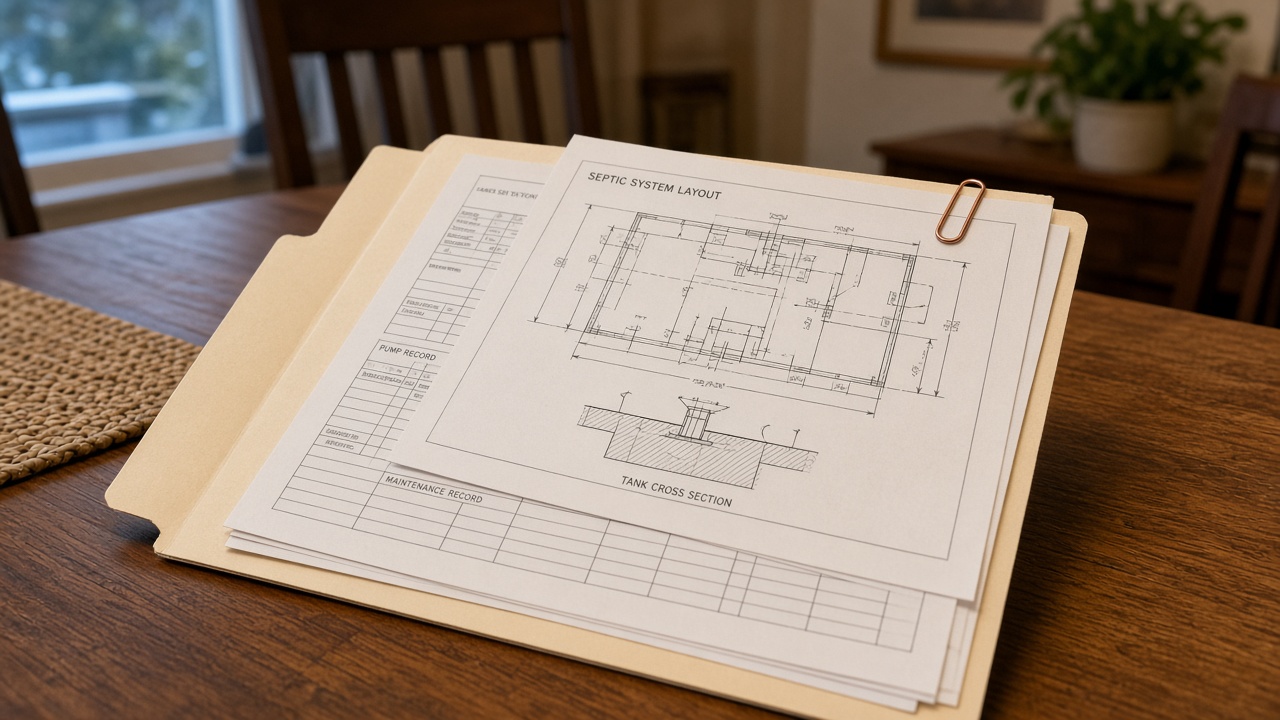
Ask for pumping receipts, system approval or design information, and the Certificate of Installation. Nova Scotia’s Homeowner’s Guide encourages keeping those documents with the deed and passing them to future buyers. Missing paperwork is not always a failed system — but it raises the value of a careful inspection.
When inspection findings should pause a deal
Surfacing sewage, chronic backups, missing baffles with solids in the field, or a saturated bed are serious. Field replacement costs can reach tens of thousands. Use inspection contingencies and a second opinion before waiving rights. A slow-but-operational system with a clear maintenance path may be negotiable; a failed field is a different conversation.
Call (902) 999-9999 to discuss inspection scope.
Inspection tiers buyers actually encounter
At the light end, someone runs water and watches for surfacing dye. That can miss a tank full of solids and lines that only fail in wet seasons. Mid-tier inspections open lids, check levels and baffles, probe the field, and may run a hydraulic load. Deeper scopes add pumping, distribution-box exposure, and camera runs down laterals. Price rises with invasiveness — and so does information quality. Spending more before closing is still cheaper than discovering a failed bed after moving day.
HRM does not replace your due diligence with a single municipal ritual the way some U.S. counties do. That makes independent scope choices more important, not less.
Locating systems without as-builts
Older Halifax-area homes sometimes have incomplete paperwork. Start with the building sewer direction from the basement, probe carefully for lids, and ask neighbours who used which pumper. Metal detectors and probe rods help; guess-and-dig trenches across the whole yard rarely do. Once lids are found, photograph locations and consider risers so the next inspection does not repeat the archaeology.
If the system includes a pump chamber or raised bed, say so early. Those components change what “thorough” means and who is qualified to comment.
Negotiating findings without panic
Not every note on an inspection is a walk-away event. A filter that needs cleaning, a lid that needs a riser, or a tank due for pumping are maintenance items. Missing baffles with solids already in the field, chronic surfacing, or a saturated bed are structural money problems. Separate “service now” from “redesign the system.” Get a second opinion when the first report is vague or when repair quotes swing wildly.
Sellers can pre-empt drama by pumping and documenting before listing. Buyers should still verify with their own eyes when the stakes are high.
How inspections link to pumping and maintenance
Many thorough inspections include a pump-out because you cannot see what you need to see through a full tank. That is not an upsell by default — it is physics. After the sale, convert findings into a maintenance plan: filter cadence, next pump date, and any riser work. Keep the report with the deed package.
Camera footage, if taken, should be something you can rewatch. Ask whether files are provided and how long they are retained.
Local market notes
HRM’s fringe communities turn over homes on septic every season. Realtors who work Sackville, Fall River, and Prospect corridors see inspection conditions regularly. Use that local knowledge, but do not outsource judgment. Your inspector works for you. Your pumper’s receipt is a data point. Your lawyer closes the loop on contingencies.
Documents checklist for HRM buyers
- Pumping receipts for the last two or three cycles
- Certificate of Installation or design drawings
- Prior inspection reports, including camera files if any
- Notes on risers, filters, and pump models
- Any Nova Scotia Environment correspondence about malfunctions
Missing items raise questions; they do not automatically mean failure. They do mean your inspection scope should be deeper, not shallower.
Working with realtors and lawyers
Share the inspection scope in writing before the visit so nobody argues afterward about whether the distribution box “should have been opened.” Put repair credits or price adjustments in the contract once findings are clear. Do not accept verbal “it looked fine” as a substitute for a written report.
If two companies disagree, pay for a narrow second opinion on the disputed component rather than another vague walkthrough. Clarity beats volume.
Seasonal inspection timing
Mid-winter inspections can be limited by frozen lids and snow. Late spring and fall often reveal field behaviour better. If you must inspect in dry August, lean harder on tank internals and history rather than assuming a dry yard proves a healthy bed. Weather context belongs in the report.
Common inspection outcomes explained in plain language
A clean report with recent pumping and intact baffles is the easy case. “Needs pumping and filter service” is maintenance. “Evidence of solids past the outlet” means the field may already be stressed. “Surfacing effluent” or “saturated laterals” points toward major repair. Ask the inspector to translate findings into those buckets so you are not left decoding jargon under offer pressure.
Photos of baffles, sludge depth notes, and a sketch of lid locations make the report useful six months later. If the report is only three sentences, ask for more detail before you rely on it.
Raised beds, pump chambers, and alternative systems
Not every HRM system is a simple gravity tank and trench field. Raised beds, peat systems, and pump chambers change inspection checkpoints. High-level alarms, pump runtime, and dosing behaviour matter. Tell the inspector what you believe is installed — and ask them to verify against any drawings you have. Misidentifying the system leads to the wrong tests.
Budgeting for inspection plus pumping
When a thorough inspection includes pumping, the combined invoice can surprise buyers who expected a visual-only fee. Ask whether pumping is included, optional, or required for the inspector to sign their report. Compare apples to apples across quotes. A cheaper camera-only visit is not a bargain if it cannot see baffles.
Third-party cost anecdotes from other provinces do not set Halifax pricing. Use local quotes, then decide. Ask for a written scope and fee when you book.
After closing: turn the report into a plan
Highlight the next pump date, filter cadence, and any riser recommendation. Share the report with your maintenance contact. If the seller credited money for repairs, schedule the work promptly — credits evaporate into furniture budgets if you wait a year.
Why Halifax buyers still search “septic inspection” every spring
Spring listings across Sackville and Fall River put on-site systems back into purchase conversations. Snow melts, fields look wetter, and buyers who grew up on peninsula sewer suddenly face a tank. A clear inspection page — and a clear phone number — reduces panic. Use contingencies. Use scope sheets. Use receipts. The market moves quickly; your due diligence still needs minutes of care.
If you are selling, pumping and documenting before photos go live is quieter than arguing over a failed dye test the week of closing. Either way, the inspection is a decision tool, not a ritual.
Keeping language local to Halifax Regional Municipality
Searchers type Halifax, HRM, Sackville, Fall River, Hammonds Plains, and Eastern Shore. The systems under those searches share Nova Scotia rules but differ in access, soils, and truck time. Good service pages name those places without thin doorway spam. If your community is on septic and inside the verified service area, say so when you call (902) 999-9999. If it is not, an honest decline beats a false yes.
Canadian spelling stays consistent: odour, favour, metre when technical documents use it, and weeping bed or disposal field for local familiarity. The goal is a page a neighbour could have written after reading the provincial guide — specific, calm, and useful before the truck arrives.
Frequently asked questions
Should buyers get their own septic inspection?
Yes — hire your own inspector or cleaner. A seller-paid report is not obligated to prioritize the buyer's interests.
Is a camera-only inspection enough?
Cameras help with lines but can miss baffle condition and sludge or scum levels you only see by opening, and often pumping, the tank. Match scope to risk.
Is digging up lids for a sale inspection normal?
Exposing tank lids for visual or pump inspection is common; trenching entire sewer laterals is much less common unless problems appear.
Does a dye test alone prove the system is good?
Dye or load tests can miss issues in dry conditions; thorough inspections open the tank, check levels and baffles, and may probe or camera laterals.
Who usually pays — buyer or seller?
Common practice: buyer pays for inspection; seller may negotiate repairs found. Local contract norms vary — confirm with your realtor or lawyer.
What records should I ask for in HRM / NS?
Pumping records, system approval or design info, and Certificate of Installation — keep with the deed and pass to future buyers.
Can an inspection be done without pumping?
Limited visual checks exist, but many professionals say a full evaluation is compromised if the tank is not emptied so interiors and baffles can be seen.
What should a thorough inspection look at?
Tank level, inlet and outlet baffles, effluent filter, house-to-tank line, distribution box if accessible, and drainfield condition including ponding and odours.
Are septic problems a reason to walk away from a purchase?
Field replacement can reach tens of thousands; use inspection contingencies and a second opinion before waiving rights.
Is video or camera inspection useful in Halifax?
Yes for non-invasive looks at lines or fields when digging is undesirable; pair with tank opening for a complete picture.